


Amar Kanwar
Amar Kanwar Catalogue
Amar Kanwar (b. 1964, New Delhi, India) is one of the leading artists working with moving image today. Over the past two decades, he has developed a conceptually rich body of lyrical films and multi-video installations exploring the specific conditions of the Indian subcontinent. Connecting personal experience to broader sociopolitical structures, his contemplative and metaphorical works move between documentary, travelogue and visual essay.
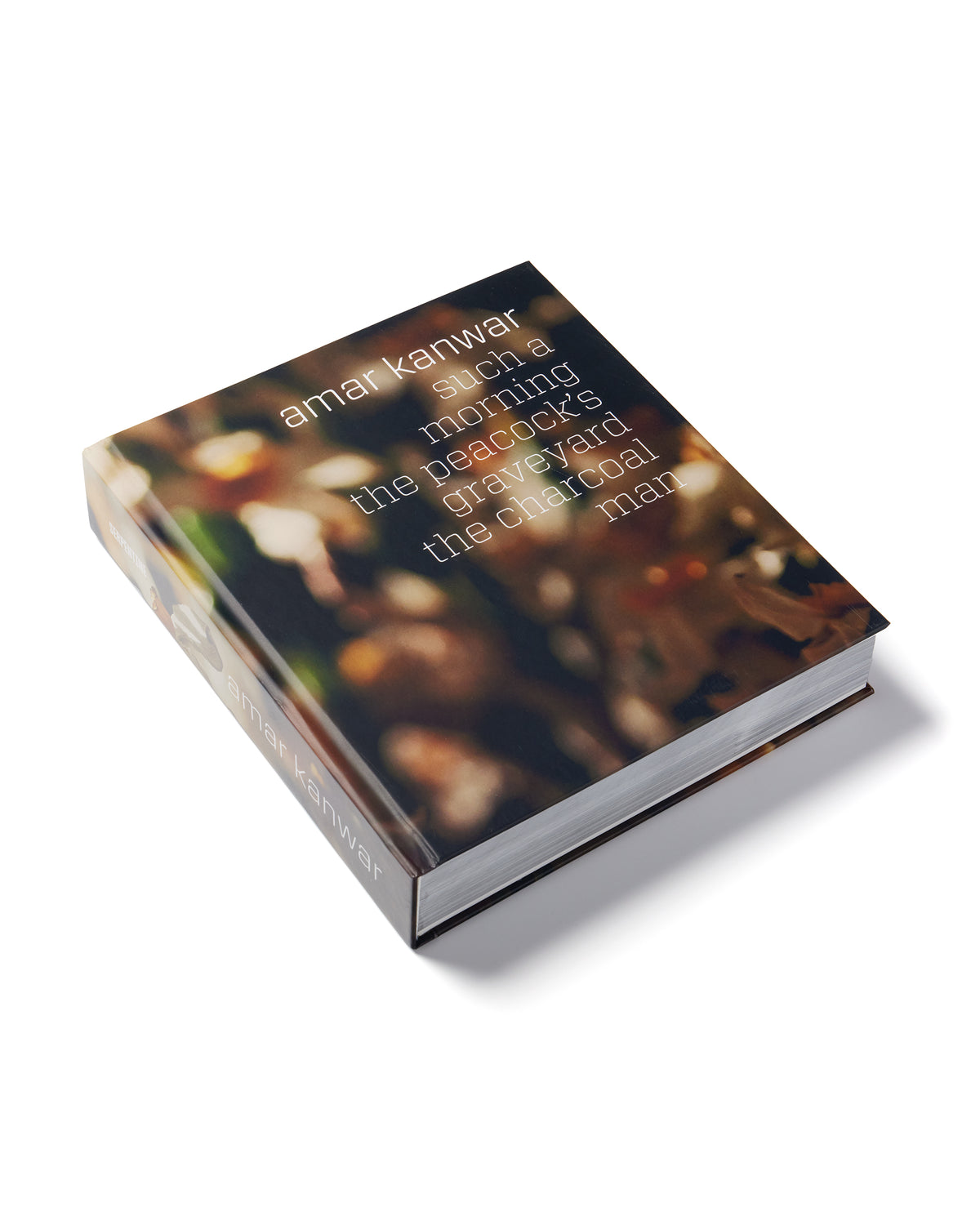
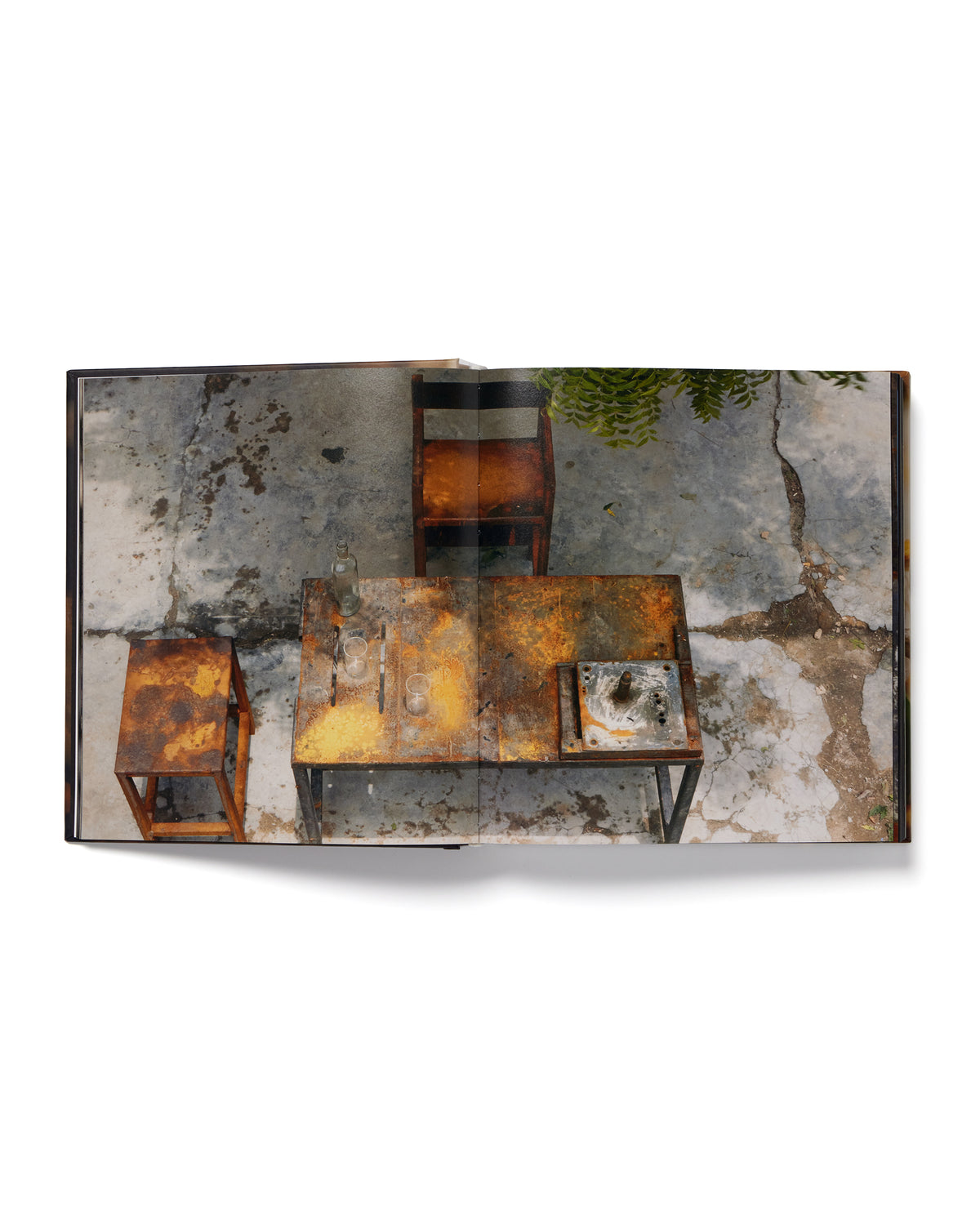
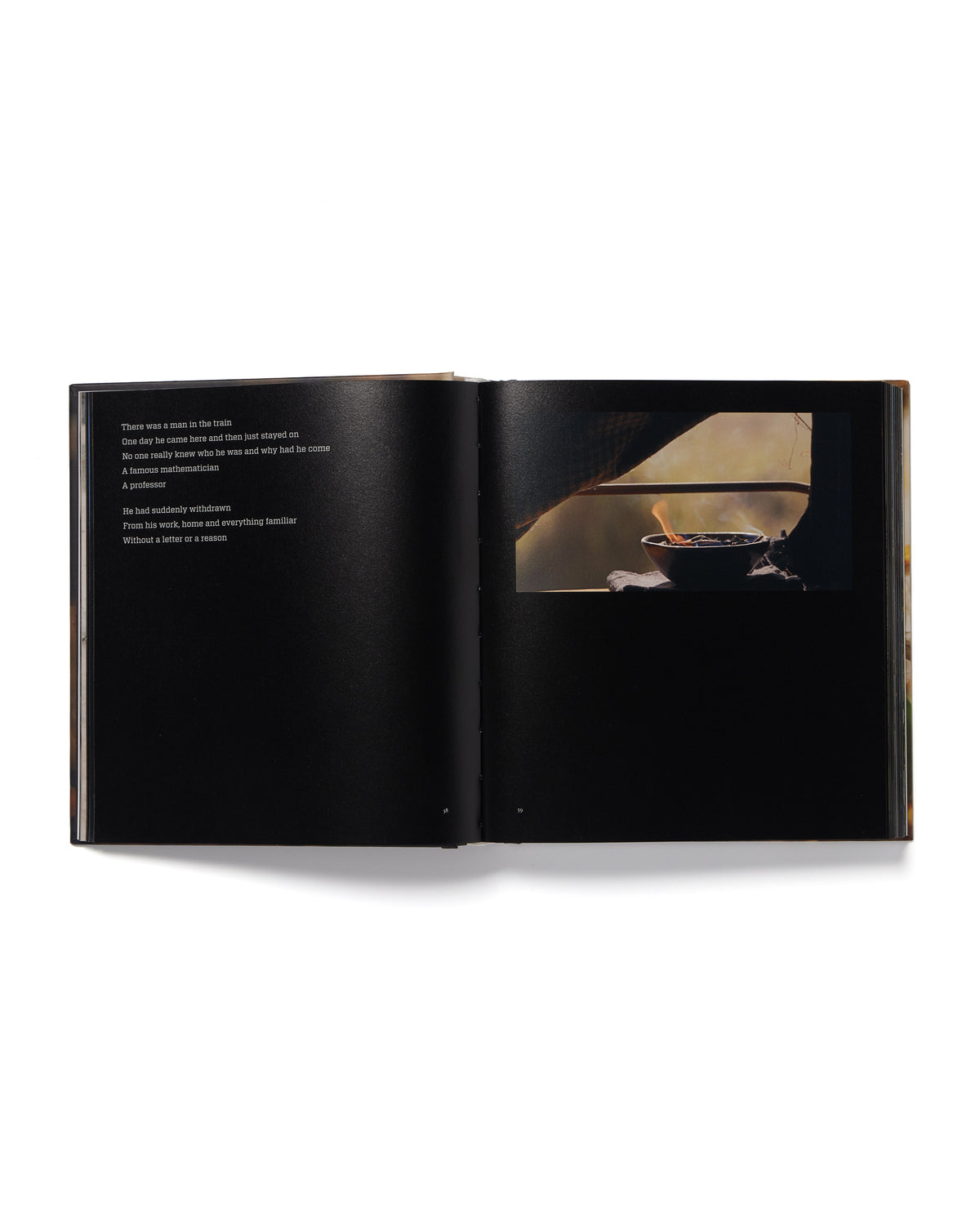
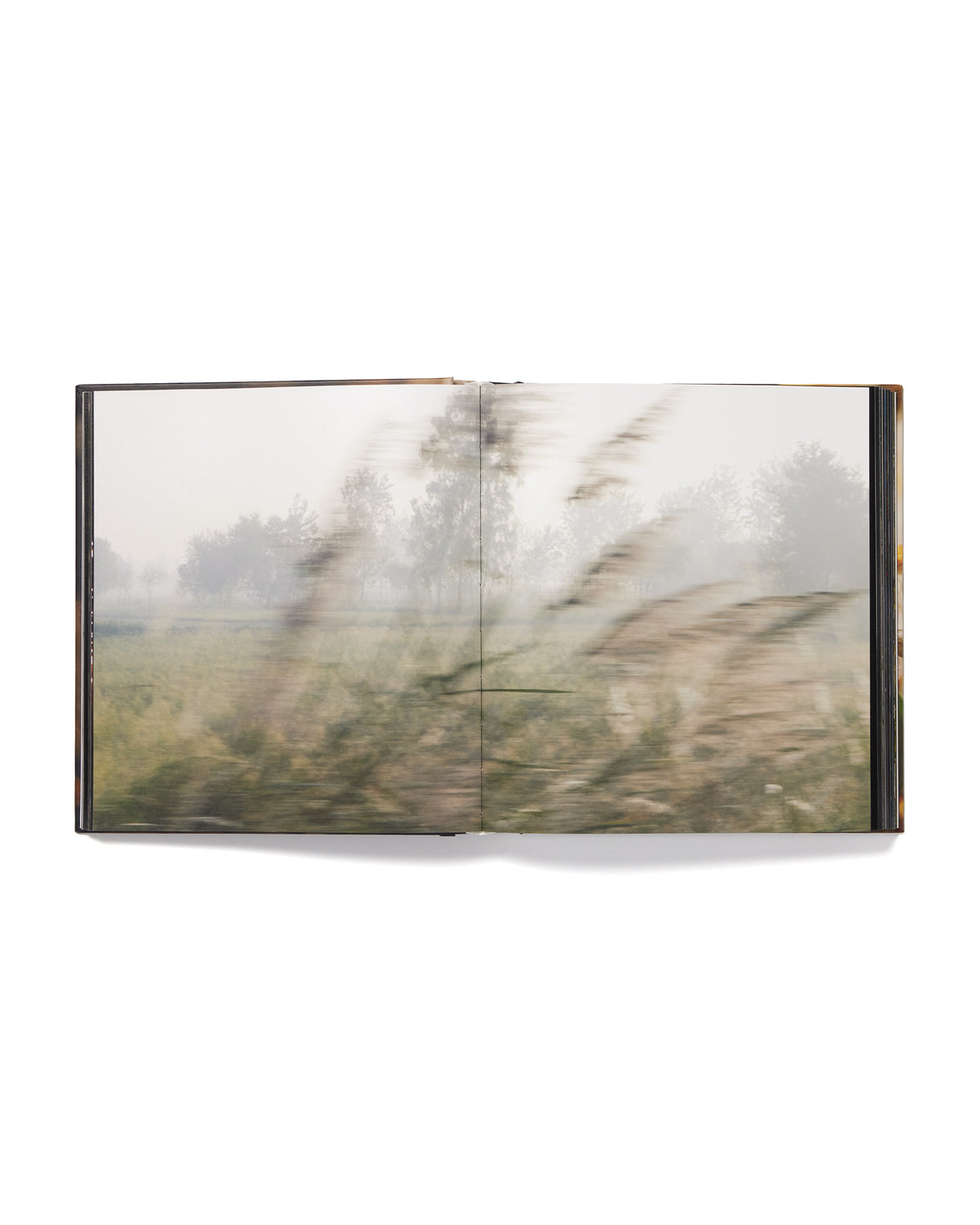
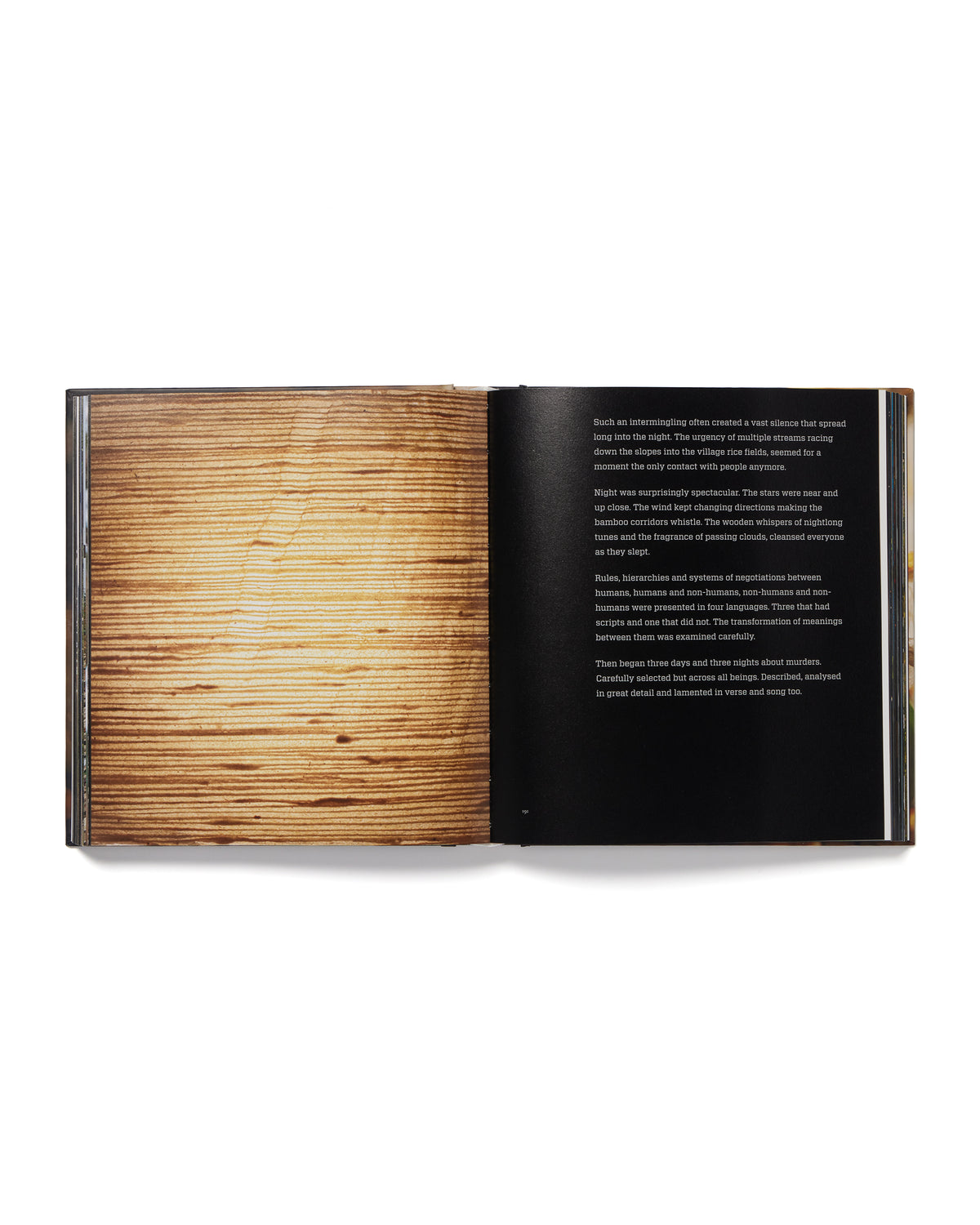
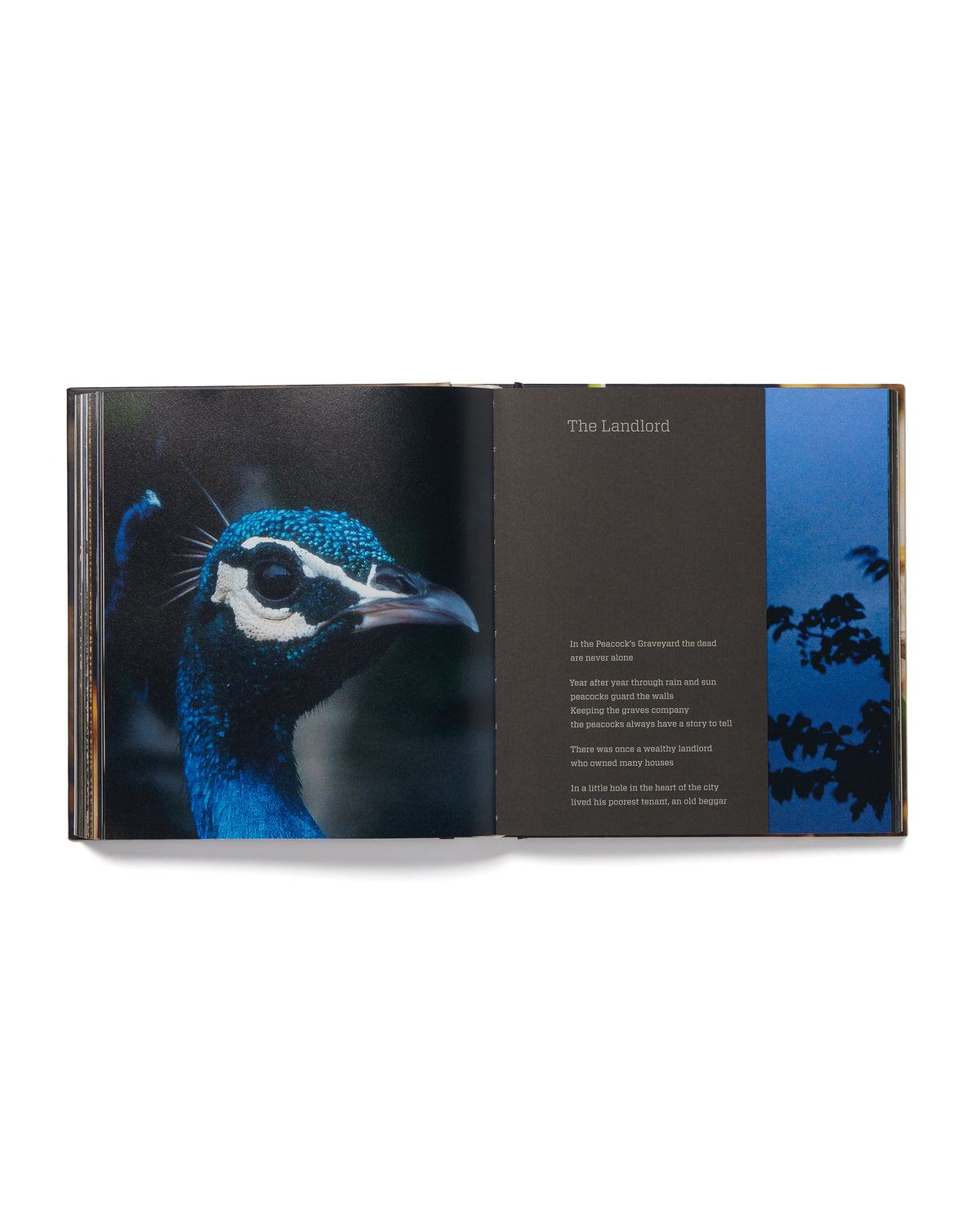
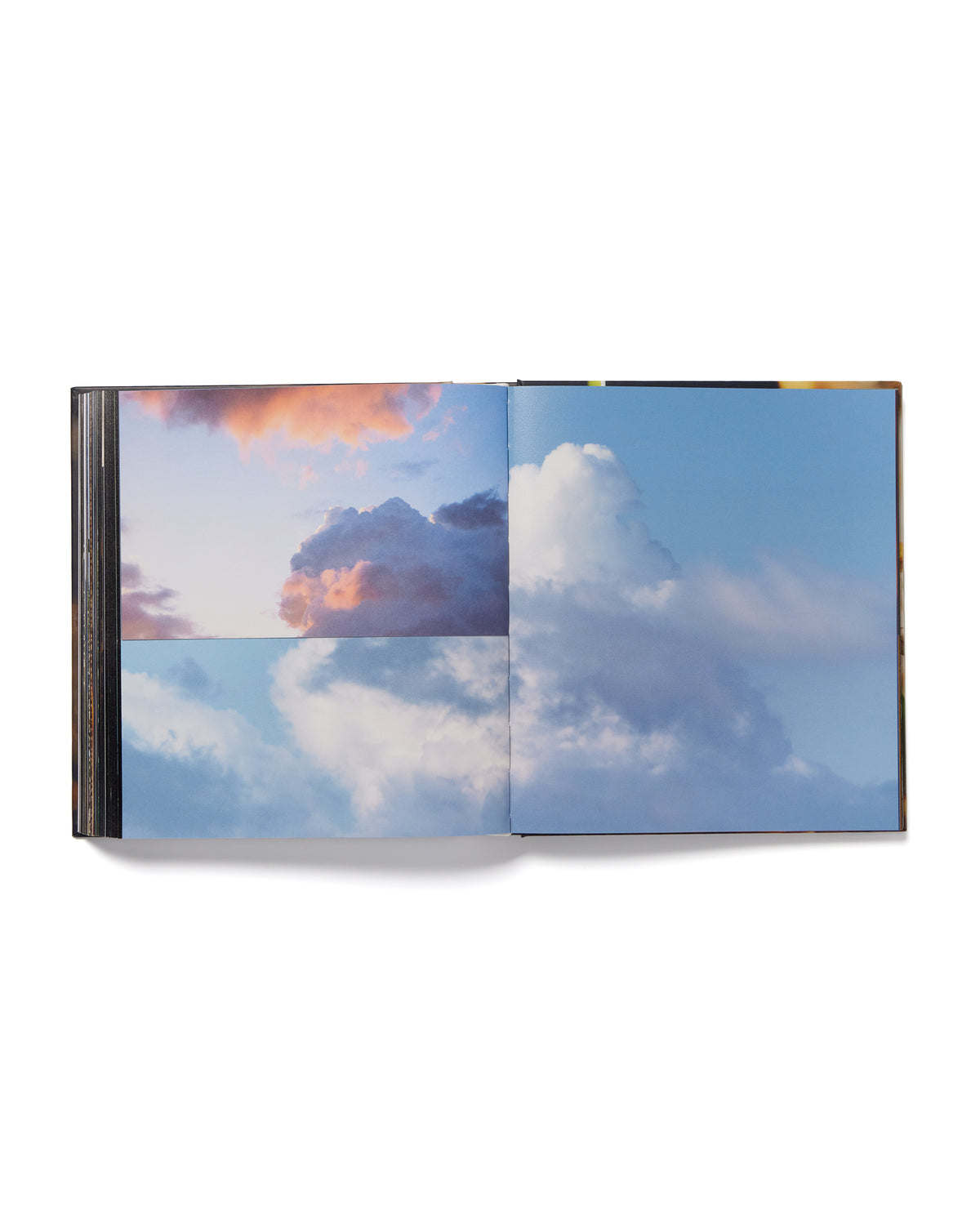
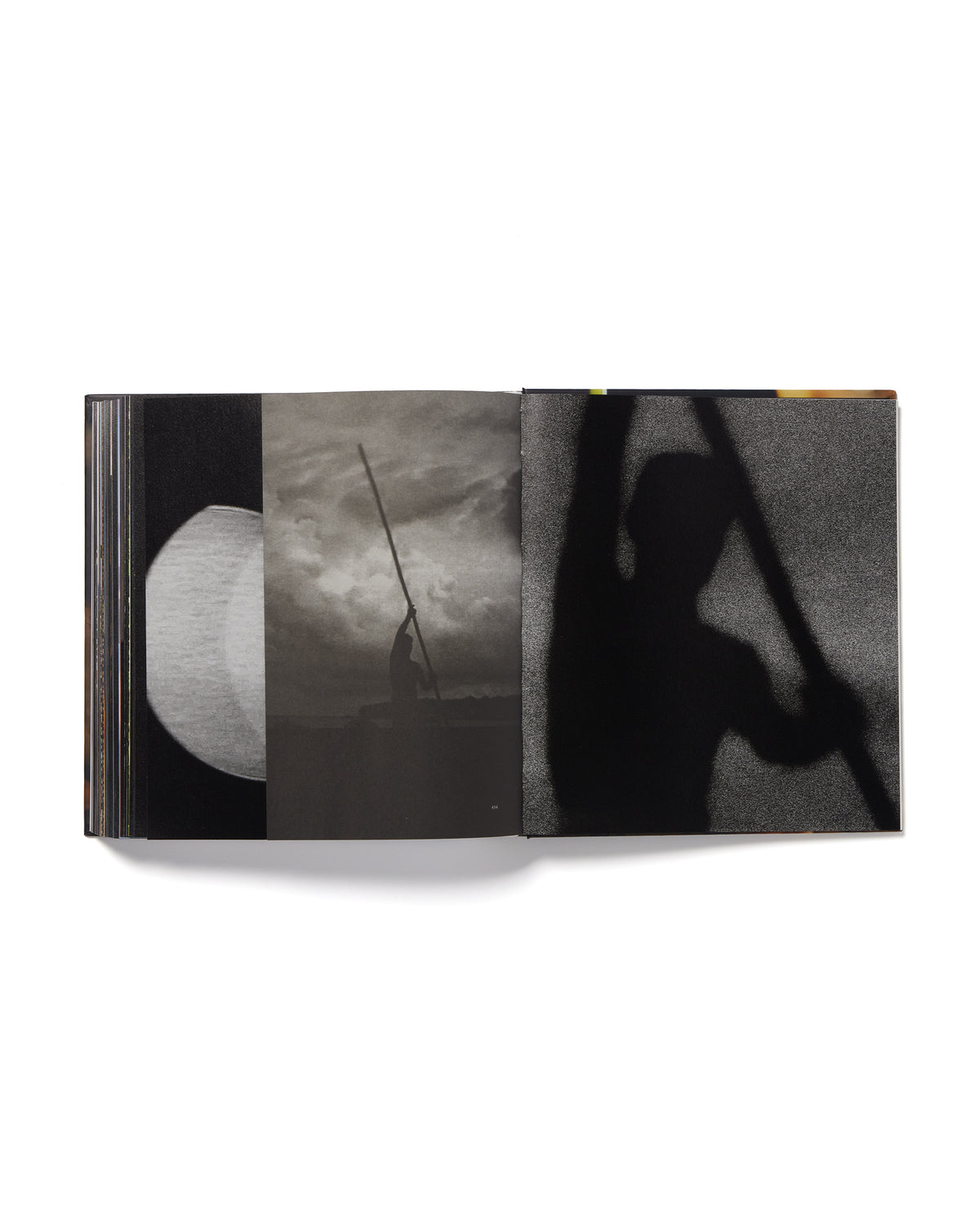
To accompany Kanwar’s exhibition at Serpentine North (23 September 2026 – 31 January 2027), Serpentine and Verlag der Buchhandlung Walther und Franz König, Köln, have published a catalogue. Conceived by Kanwar as a storybook for adults, the publication extends the exhibition beyond the gallery. Designed by Sherna Dastur, it reimagines the stories told in the artist’s moving image works Such a Morning (2017), The Peacock’s Graveyard (2023) and The Charcoal Man (2026) in print. It also includes an extensive interview between Kanwar and Serpentine’s Artistic Director Hans Ulrich Obrist, that brings together conversations from 2008 to the present.
Edited by: Chris Bayley and Kit Gurnos
Designed by: Sherna Dastur
Printed by: Pragati Offset Pvt. Ltd.
- Medium:
- Hardcover
- Dimensions:
- 22.9 × 28 cm, pp. 468
- Year:
- 2026
Artist
Amar Kanwar
Over three decades, Amar Kanwar (b. 1964, New Delhi, India) has developed a distinctive body of lyrical films and multi-video installations rooted in the specific context of the Indian subcontinent. While charged with regional specificity and deeply personal histories, his works grapple with some of the most pressing issues of our time, moving seamlessly between documentary and fiction, the archival and the poetic. Shaped by India’s history, Kanwar frequently reflects on the enduring legacies of decolonisation and the 1947 Partition, which led to the creation of India, Pakistan and later Bangladesh in 1971. In his films, Kanwar explores the politics of power, displacement, violence, justice and memory. Reckoning with the past to better comprehend the urgencies of the present, his work reveals what unites us, regardless of geography or context.
See more by Amar KanwarTerms & Conditions
Choose options